
Six Warning Signs Your Pool Wiring Needs an Electrician
A pool is one of the few places in a home where electricity and water sit within a few feet of each other on purpose, which is exactly why pool electrical work has stricter code requirements than almost anything else in residential wiring. When that wiring fails, the danger is not always obvious the way a burning smell or a spark would be. Here are the warning signs worth taking seriously.
A Tingling Feeling in the Water
Any tingling sensation while swimming, standing on pool steps, or touching a metal ladder or handrail is a sign of stray electrical current in the water, sometimes called electric shock drowning. This is not a minor issue and not something to wait on. Get everyone out of the pool, shut off power to the pool equipment at the breaker if you can do so safely, and call an electrician before anyone gets back in.
A GFCI Breaker That Keeps Tripping
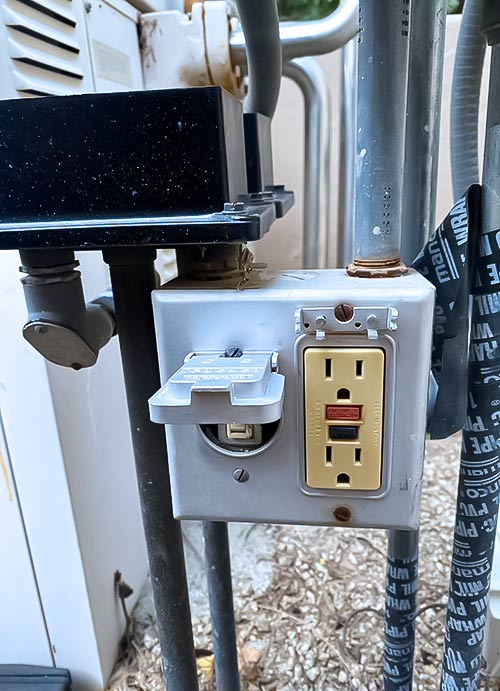
Pool equipment circuits are required to run on GFCI protection because it shuts power off the instant it detects current leaking somewhere it should not be, which is exactly the scenario that leads to shock. A GFCI that trips once in a while during a storm is normal. One that trips repeatedly, or every time the pump kicks on, means there is a real ground fault somewhere in the pump, the wiring, or the equipment itself, and it needs to be found, not just reset.
Flickering Pool or Landscape Lights
Pool lights that flicker, dim, or occasionally shock someone who touches the fixture underwater point to a failing light niche, damaged wiring, or a bad connection at the junction box. Underwater lighting has its own specific bonding and grounding requirements, and a flickering light is often the first visible sign that something behind it has already failed.
A Corroded or Rusted Panel Near the Pool
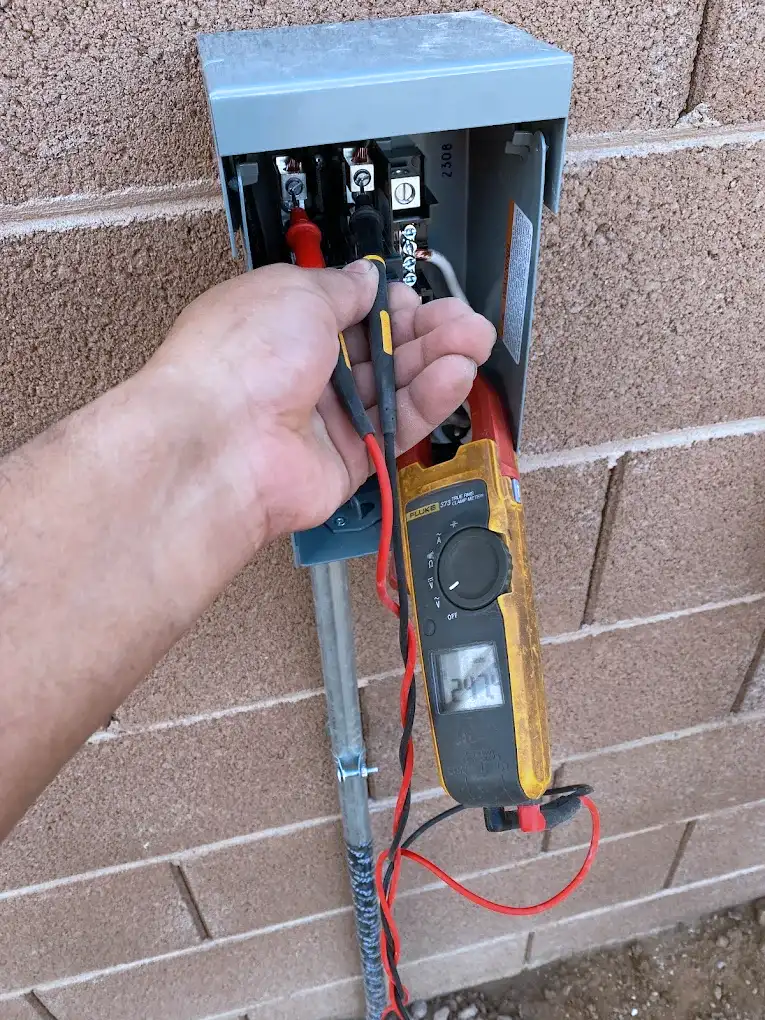
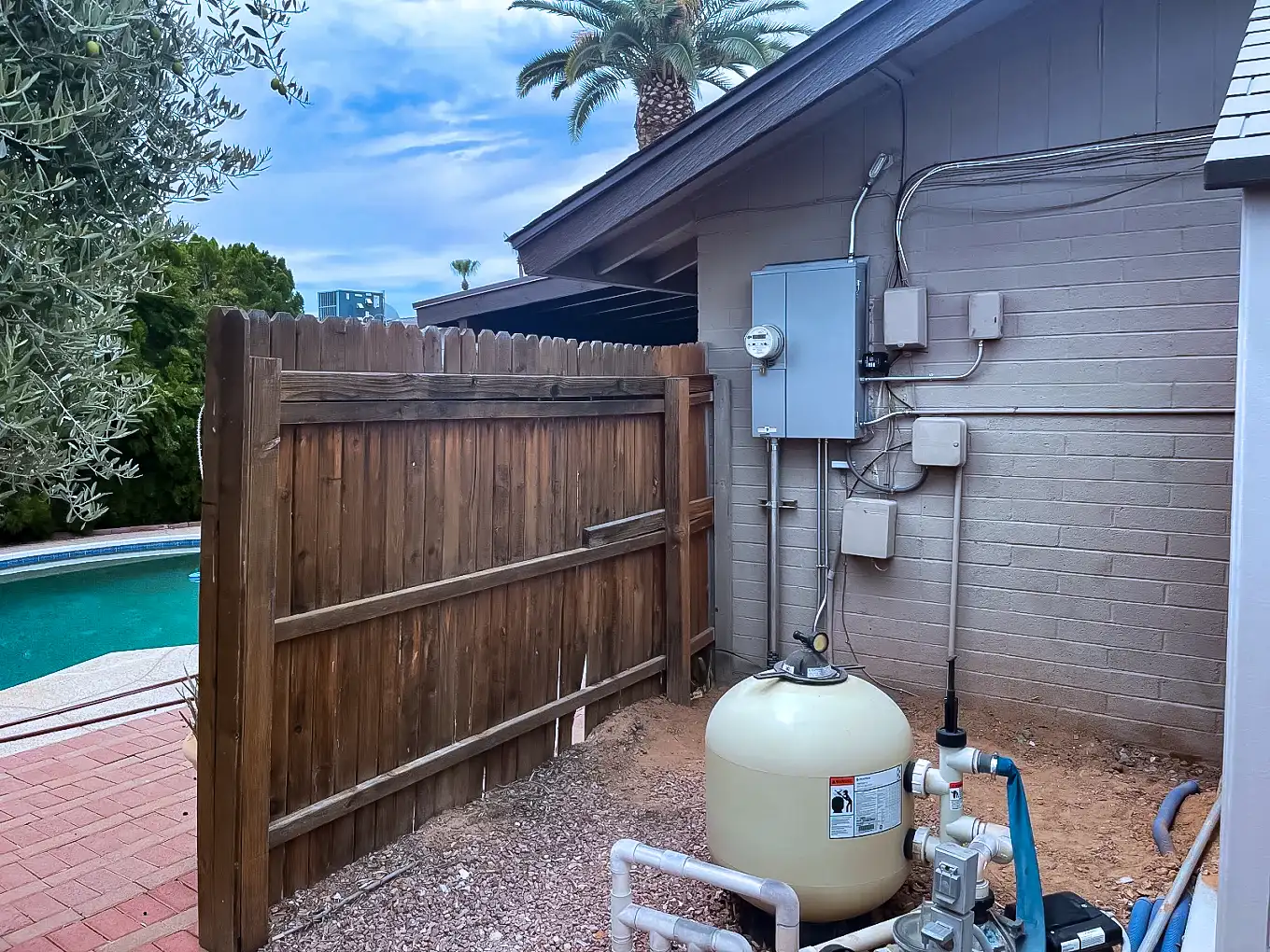
Pool equipment panels and disconnects live outdoors, often close to chlorinated water and irrigation spray, and that environment corrodes metal enclosures and connections faster than people expect. Visible rust, white corrosion residue, or a panel door that no longer seals tightly are all signs that the box and the connections inside it should be inspected before a small corrosion problem becomes a real electrical fault.
A Pump or Motor That Hums But Won’t Start
A pump that hums for a second and then stops, or trips a breaker on startup, is usually an electrical problem rather than a plumbing one, most often a failing capacitor, a wiring issue at the motor terminals, or the motor itself drawing more current than the circuit can safely handle. Running it repeatedly while it is doing this risks damaging the motor and stressing the wiring feeding it.
Exposed or Damaged Wiring Near the Water
Cracked conduit, exposed wire, or a junction box with a missing cover anywhere near a pool deck is a hazard regardless of whether anything seems to be malfunctioning yet. Pool areas require wiring in sealed, weatherproof conduit for a reason, and any break in that protection is worth fixing before it becomes a bigger problem.
What to Do If You Notice Any of These Signs
Do not swim, and do not let anyone else use the pool, until the issue has been checked by a licensed electrician who specifically works on pool equipment. Pool electrical work has its own bonding, grounding, and GFCI requirements under the electrical code, and it is worth hiring someone who does this regularly rather than a general handyman.
Worried About Your Pool Wiring?
Gideon Electric handles pool electrical repairs across Phoenix, Scottsdale, Chandler, Gilbert, and the wider Phoenix Metro area, from GFCI and breaker issues to pump wiring and light repairs. Call us or request a pool electrical inspection online.