

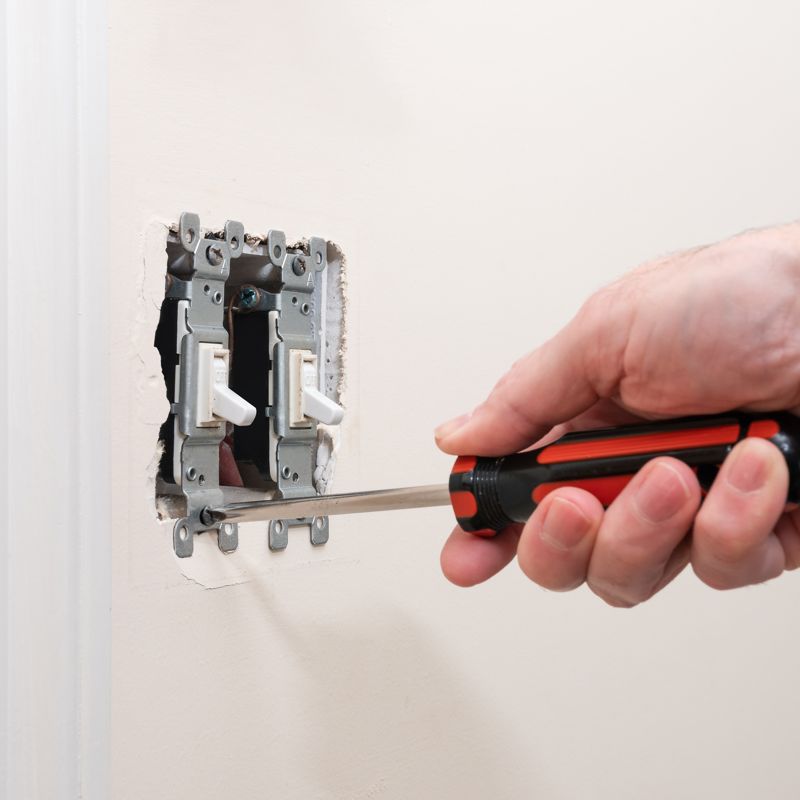
Aluminum Wiring in an Older Phoenix Home: What Is Actually Risky
If your Phoenix home was built between the mid-1960s and the mid-1970s, there is a real chance it was wired with aluminum instead of copper. It is not automatically an emergency, but it is not something to ignore either. Here is what actually makes it a concern, and what homeowners can do about it.
Why Aluminum Wiring Was Used in the First Place
Copper prices spiked sharply in the 1960s and 1970s, and aluminum was a cheaper, widely available substitute that conducted electricity well enough to pass code at the time. Builders across the country used it in branch circuit wiring for roughly a decade before the problems it caused became clear enough to change building practices.
What Actually Makes It a Fire Risk
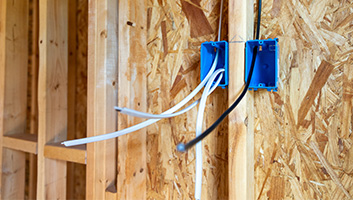
The danger with aluminum wiring is not the metal itself, it is how it behaves at connection points. Aluminum expands and contracts with heat more than copper does, which loosens connections at outlets, switches, and junction boxes over years of normal use. It also oxidizes in a way that increases electrical resistance at those same connection points. A loose, oxidized connection carrying household current generates heat, and that heat is what starts fires, usually inside a wall or a fixture where nobody notices until it is already a problem.
Warning Signs Your Home Might Have Aluminum Wiring
The most reliable way to know is to have an electrician check, but a few signs are worth noticing yourself: warm faceplates on outlets or switches, a persistent burning or hot plastic smell with no obvious source, flickering lights that are not tied to a specific appliance, or discoloration around an outlet or switch cover. Homes built or rewired between roughly 1965 and 1973 are the age range to be aware of, and checking the wire itself at an outlet or the panel, where it is usually stamped “AL” or “Aluminum,” is the most direct way to confirm it.
Does It Mean You Need a Full Rewire?
Not necessarily. A full rewire is one solution, but it is also the most expensive and disruptive one, and it is not always required just because a home has aluminum wiring in it. What matters most is the condition of the connections themselves, not simply the presence of the wire.
Copper Pigtailing: The Common Fix
The most common accepted repair is called copper pigtailing, where an electrician attaches a short length of copper wire to the existing aluminum wire using a connector specifically rated for aluminum-to-copper connections, then wires the outlet, switch, or fixture to that copper pigtail instead of directly to the aluminum. This addresses the actual failure point, the connection, without requiring the aluminum wire itself to be pulled out of the walls. It has to be done correctly with the right connectors, not just twisted together, so this is not a job for a general handyman.
Insurance and Aluminum Wiring in Arizona
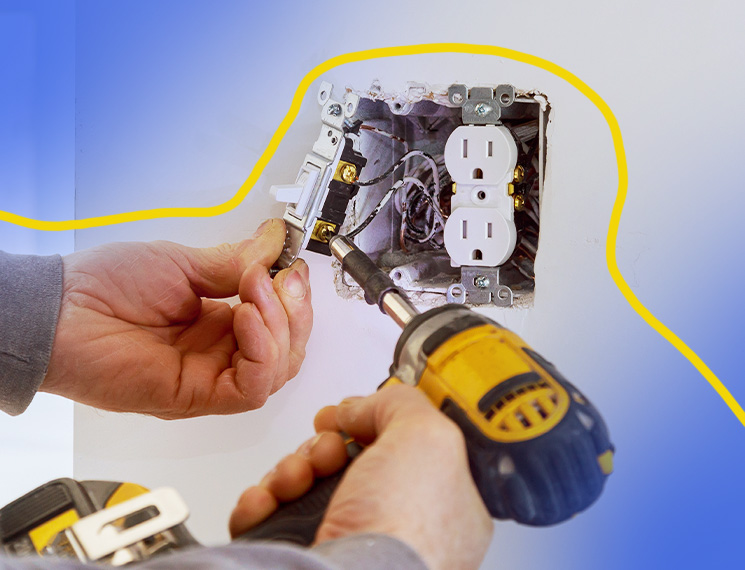
Some homeowners insurance companies in Arizona ask directly about aluminum wiring on an application, and a few will require an inspection or proof of repair before issuing or renewing a policy. If you are buying an older Phoenix home, refinancing, or renewing insurance and aluminum wiring comes up, having a licensed electrician document the condition of the wiring and any pigtailing already done can make that conversation much easier.
Not Sure What Is Behind Your Walls?
If your home falls in that late 1960s to early 1970s range, Gideon Electric can inspect your wiring and tell you exactly where you stand, no scare tactics, just an honest look at what is actually there. Call us or schedule an inspection online across Phoenix, Scottsdale, Tempe, and the surrounding Valley.