

GFCI vs AFCI: The Short Answer
A GFCI (ground fault circuit interrupter) protects people from electric shock. It cuts power the instant current starts leaking out of the circuit, which is why it belongs anywhere electricity and water can meet: kitchens, bathrooms, garages, laundry areas, and outdoors. An AFCI (arc fault circuit interrupter) protects the house from fire. It shuts off a circuit when it detects dangerous arcing in wiring, cords, or connections, so it is used on bedroom and living-area circuits. Many Phoenix homes need both, and some circuits need both at once.
Homeowners mix these two up constantly. Both have test buttons and both trip when something is wrong, but they watch for completely different problems. If you are planning outlet or switch replacement in your Phoenix home, or you just want to know why one outlet keeps shutting off, here is what each device does, where it goes, and when to bring in a licensed electrician.
What a GFCI Outlet Actually Does
A GFCI compares the current leaving on the hot wire with the current returning on the neutral. If even a small amount goes missing, the device assumes it is leaking somewhere it should not be, possibly through a person, and trips in a fraction of a second. A standard breaker is built to protect wiring from overload; it will not react to the tiny amount of current it takes to hurt someone standing on a wet floor.
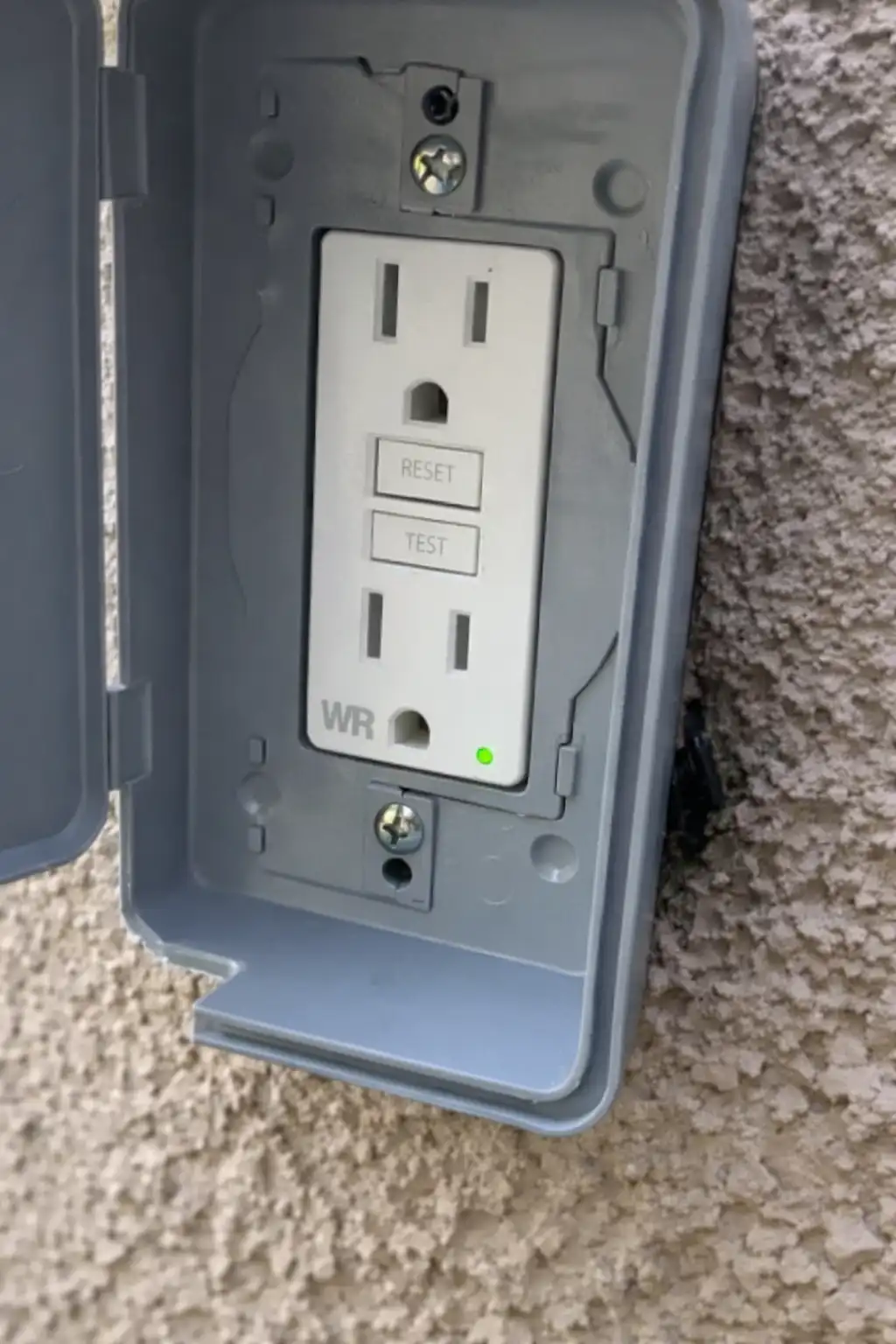
You will recognize a GFCI outlet by the Test and Reset buttons on its face. GFCI protection can also come from a breaker in the panel. One important detail: a single GFCI outlet can protect ordinary-looking outlets downstream of it, which is why a dead patio outlet can sometimes be fixed by pressing Reset on a GFCI in the garage or a bathroom.
What an AFCI Breaker Does
Arcing is electricity jumping across a gap it was never meant to cross. A loose terminal screw, a nail through a cable behind drywall, a cord pinched under furniture, cracked insulation, or a chewed wire in the attic can all create an arc. Arcs run extremely hot and can ignite dust, framing, or insulation long before a breaker would sense an overload.
An AFCI listens for the electrical signature of a dangerous arc and opens the circuit when it hears one, while ignoring the harmless arcs inside a light switch or a vacuum motor. Most AFCI protection lives in the panel as a breaker, which covers the entire circuit including the wiring inside your walls. AFCI outlets exist, but the breaker version is far more common in homes.
GFCI vs AFCI Side by Side
- What it protects: GFCI protects people from shock. AFCI protects the structure from fire.
- What it detects: GFCI watches for current leaking out of the circuit. AFCI watches for arcing within the circuit.
- Where it lives: GFCI is usually an outlet, sometimes a breaker. AFCI is usually a breaker, sometimes an outlet.
- Typical rooms: GFCI goes in wet and damp locations. AFCI goes in bedrooms and living spaces.
- Can one device do both? Yes. Dual-function breakers combine AFCI and GFCI protection in one unit.
Where Phoenix Homes Typically Need Each
Electrical codes are adopted and amended by each city and county, and the rules for your house depend on when it was built and what work is being done. Below is the general pattern in most modern homes; a licensed electrician can confirm what applies to your property.
Where GFCI Protection Belongs
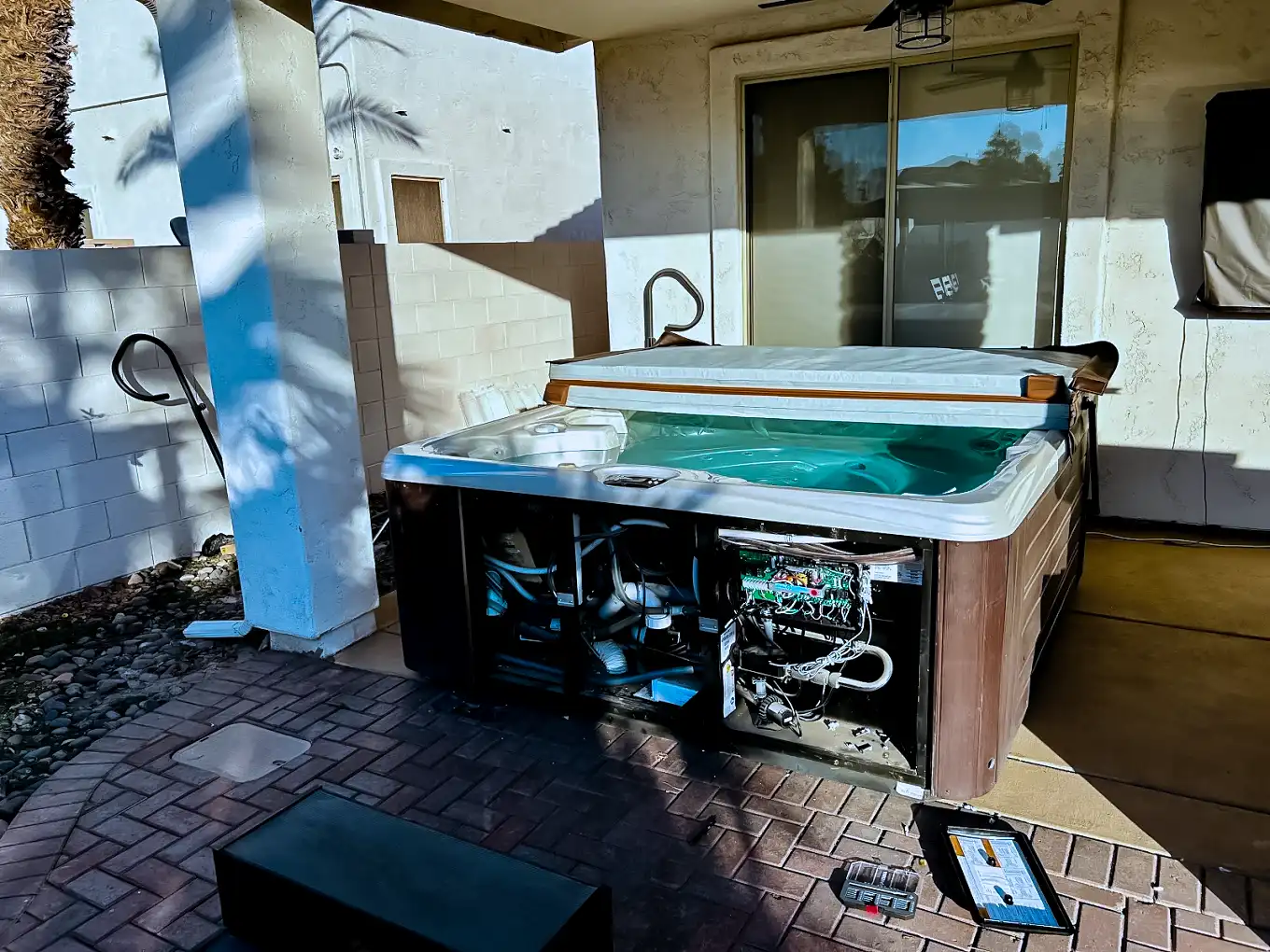
Think “anywhere you could be wet or standing on concrete or dirt.” That means kitchen countertop outlets, bathrooms, garages, laundry and utility sink areas, unfinished storage spaces, and every outdoor outlet. In the Valley, outdoor outlets get a workout: patio misters, holiday lights, pool and spa equipment, and landscape lighting transformers. Monsoon rain and irrigation overspray find their way into outdoor boxes more often than people expect, and GFCI protection keeps that moisture from becoming a shock hazard.
Where AFCI Protection Belongs
AFCI protection is generally expected on circuits serving bedrooms, living rooms, family rooms, dining rooms, hallways, and closets in newer construction. Many older Phoenix homes were built before AFCI breakers existed and do not have them. Whether an older home must be updated usually depends on the scope of new work. Adding AFCI protection is a worthwhile upgrade regardless, especially in houses with aluminum branch wiring, where loose connections are a known concern.
When a Circuit Needs Both
Some circuits fall into both categories. A kitchen circuit may need GFCI protection at the counter and AFCI protection for the wiring, handled with a dual-function breaker or an AFCI breaker paired with GFCI outlets. This is where an aging panel can get in the way. If yours has no room or no compatible breakers, read up on the signs your electrical panel needs an upgrade.
Why a GFCI Outlet Keeps Tripping
A GFCI that trips once and resets is doing its job. One that trips over and over is telling you something. The usual causes:
- A real ground fault. Moisture inside an outdoor box, a failing appliance, a pool pump with worn insulation, or a damaged cord. Unplug everything on the circuit, reset, then plug items back in one at a time to find the offender.
- A worn-out GFCI. These devices have electronics inside, and Arizona heat is hard on electronics. An old GFCI that trips for no reason or will not reset has usually reached the end of its life.
- Too much downstream. One GFCI feeding half the exterior plus the garage can trip from the combined leakage of many small loads.
- A wiring problem. Reversed line and load terminals, a shared neutral, or a damaged cable can all cause nuisance trips. This one needs a professional.
Never swap a tripping GFCI for a standard outlet to make the problem go away. The trip is the protection working; removing it leaves the hazard in place with no warning.
“Armando H. was extremely friendly and knowledgeable on diagnosing our pool gfci issues and provided thorough detail on possibilities moving forward.”
Replacing a GFCI or Adding AFCI Protection Safely
Plenty of homeowners swap their own GFCI outlets. The two common mistakes are working on the circuit without confirming the power is off, and mixing up the line and load terminals, which can leave every downstream outlet unprotected while the Reset button still clicks like everything is fine. If you take it on, turn the breaker off, verify the outlet is dead with a tester, and test the finished install with the built-in button.
AFCI breakers are a different story. Installing one means opening the panel, where parts stay energized even with the main breaker off. That is work for a licensed electrician. The same goes for a GFCI that will not reset, outlets that are warm to the touch, or any sign of scorching: turn off that breaker, leave it off, and make a call. If it cannot wait, Gideon Electric also provides emergency electrical service across the Phoenix area.

Need Outlets Checked or Replaced in the Phoenix Area?
Whether you have a GFCI that will not stay reset, a remodel that needs the right protection, or an older home you want brought up to modern standards, Gideon Electric can sort it out and explain what your home needs and why. Call (480) 716-3272 or reach out through our contact page to schedule a visit.
Frequently Asked Questions
Can I put a GFCI outlet anywhere?
Do GFCI and AFCI devices wear out?
Is an AFCI breaker the same as a regular breaker?
My older Phoenix home has no AFCI breakers. Is that a problem?
Talk to Gideon Electric
Local electricians serving Phoenix and the Valley.